-
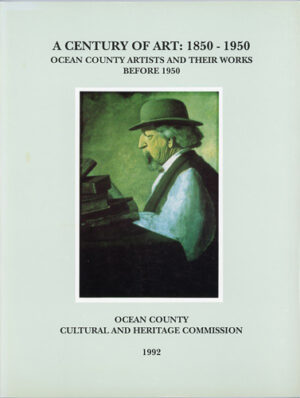 By Pauline S. Miller & Marilyn R. Kralik: At least seventy noteworthy artists lived and worked in Ocean County between 1850 and 1950. The book serves as an introduction to some of those artists. In some cases, there is documentation on the artist but examples of their work could not be located. In other cases, the authors have included works by known artists but could locate little or no information about the creator of the work. Included are both professional and amateur artists.
-
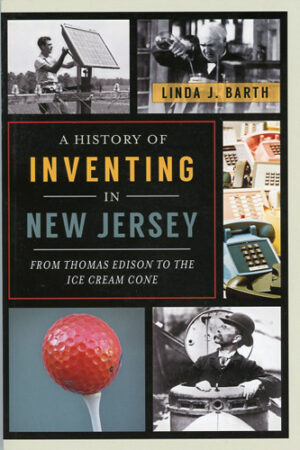 By Linda Barth: Many Americans are familiar with Thomas Edison's "invention factory" in Menlo Park, where he patented the phonograph, the light bulb and more than one thousand other items. New Jerseyans brought sound and music to movies and built the very first drive-in theater. In addition to the first cultivated blueberry, tasty treats like ice cream cones and M&Ms are also Jersey natives. Iconic aspects of American life, like the batting cage, catcher's mask and even professional baseball itself, started in New Jersey. Life would be a lot harder without the vacuum cleaner, plastic and Band-Aids, and many important advances in medicine and surgery were also developed here. Join author Linda Barth as she explores groundbreaking, useful, fun and even silly inventions and their New Jersey roots.
-
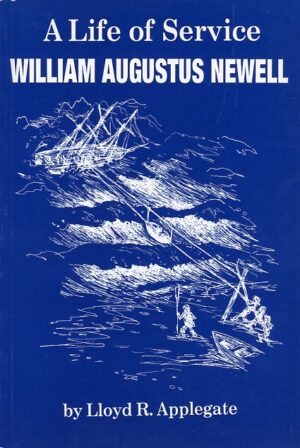 By Lloyd R. Applegate: During his varied political career, William Augustus Newell served as governor of both New Jersey (1857-1860) and the Territory of Washington (1880-1884). His interests and talents ranged from medicine and agriculture to several terms in Congress. He was a friend of the Lincolns, and was appointed as an Indian inspector in the northwest. Of greatest benefit to those of us along the Jersey coast was his persistence in bringing about legislation that established life-saving stations along our coast.
-
Out of stock
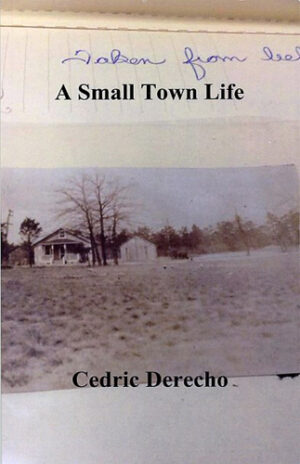 By Cedric Derecho: A work of fiction about William Foulks, a real man who lived in Lakehurst, New Jersey in the late 1800s until 1961. The author writes in the first person with his own style as the voice of the main character growing up in Lakehurst.
-
Out of stock
 By Gail and Roni Goodhart: A delightful children’s book about the adventures of Double Trouble, the tree frog who hates trees. He searches for a new home among his animal friends without success. Learn which of the animals saves the day for Double Trouble. Photos and text are the work of the authors.
-
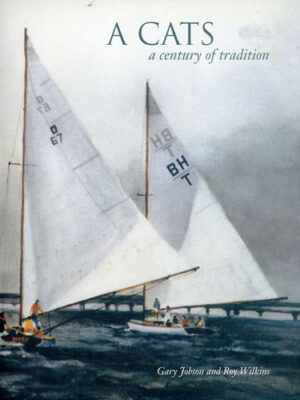 By Gary Jobson and Roy Wilkins: The mighty A Cats have sailed and raced on Barnegat Bay since the 1920s. These sturdy boats link the generations. Along with the tales of 40 sailors, over 200 photographs and illustrations showcase the past and the present.
-
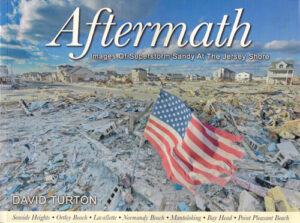 By David Turton: The book covers the Ocean County barrier island towns of Seaside Heights, Ortley Beach, Lavallette, Normandy Beach, Mantoloking, Bay Head, and Point Pleasant Beach. The original, never before published photographs preserve not only the aftereffects of the Superstorm in this region but also describe David Turton’s personal journey through his beloved and now destroyed Jersey Shore. With more than 200 historic photographs, this important book records and preserves what happened to this region for future generations lest they forget the unfathomable power of the sea.
-
 By Linda J. Barth: This is the story of Alice Paul’s failures and success to reach the goal of convincing President Woodrow Wilson, the U.S. Congress, and the state legislatures to finally pass the 19th amendment.
-
Out of stock
 By Ray Fisk & Leslee Ganss: What is the authentic Long Beach Island? With its rich history, family attachments that go back generations, memories of carefree summers, spectacular sunrises and sunsets, beach, ocean and bay, there is so much that is timeless and true. All Things LBI celebrates this bond with vignettes of places, pleasures, and moments past and present and 480 images. The book includes storms, shipwrecks, natural history, nostalgia and the off-season.
-
 By Louise Ann Barton & Donna Lee Sharp Albertson: Join the authors for an old-fashioned Christmas in the Pine Barrens as this book takes you to the famous Albertson’s Farm for Christmas Dinner. Try you hand at these authentic Piney Signature Recipes for your own table. Lovers of poetry will enjoy reading the Piney Poems and those who enjoy tall tales will not be disappointed.
-
Out of stock
 By Patricia Florio: Explore the life and times of John Frederick Peto (1854-1907). Learn about the studio and home he built in Island Heights, New Jersey. The intact home offers intriguing insight into his life as the artist in the red house.
-
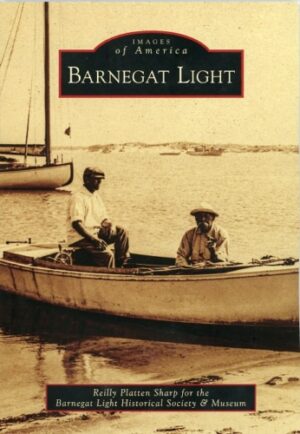 By Reilly Platten Sharp: At the mouth of Barnegat Inlet, Native Americans, whalers, pirates, fisherman, and revolutionaries once fished, fought, and died on Barnegat Light’s shores. Before the current lighthouse was designed in 1856 by Gettysburg General George Meade, the dangerous offshore shoals claimed many lives.
-
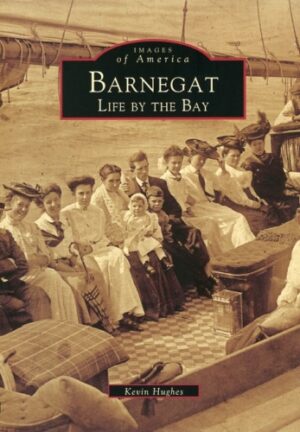 By Kevin Hughes: Learn about life by the bay as the historic residents of Barnegat come alive through the use of images and photographs.
-
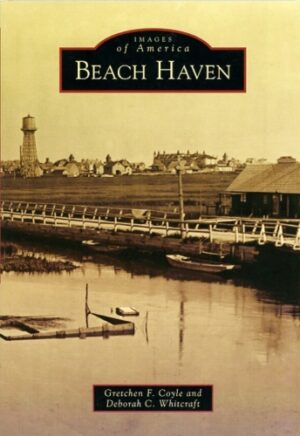 By Gretchen F. Coyle & Deborah C. Whitcraft (Images of America): Founded in 1874, Beach Haven was designed as one of the first summer seashore resorts for wealthy Philadelphians. Beach Haven’s boardwalk was one and a quarter miles long. A steamboat, connected with the Tuckerton Railroad, brought visitors to the island.
-
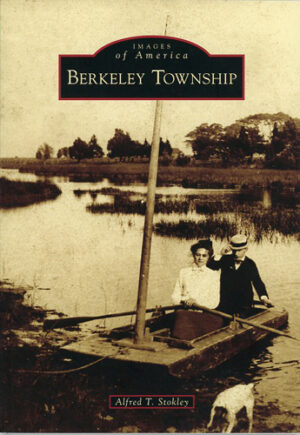 By Alfred T. Stokley: Incorporated in 1875, Berkeley Township was settled along the Barnegat Bay shoreline, dotted with homesteads and fishermen's shanties. The Central Railroad first brought summer tourists to the area for recreation in the late 19th century, and in the years to follow, many new attractions were established, including B.W. Sangor's lavish Royal Pines Hotel. Edward Crabbe established the village of Double Trouble in 1903 for lumber and cranberry production, and Sutton's Pavilion became Bayville's first fishing camp in 1905. Also in this era, George C. Crossly mined clay for terra-cotta products, using a narrow-gauge spur of the Pennsylvania Railroad. In 1928, Rudy Korman opened his restaurant and picnic grove, soon known as Korman's Corner. By the 1930s, Clover Cream Top Dairy was the largest in Bayville. In 1932, Dino the Dinosaur was built for a Sinclair Service Station and became a landmark. Historic Route 9 was used heavily through the middle of the 20th century, featuring roadside stands and tourist cabins. Berkeley Township showcases these landmarks and the rich recreational and commercial history of this Ocean County community.
-
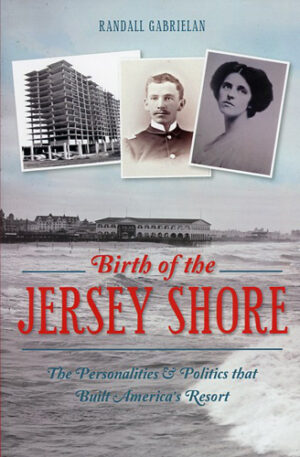 By Randall Gabrielan: The recounting of the development of the Jersey Shore of today from agrarian and maritime communities of days gone by to the bustling area that exists in modern times. Photographs and descriptions trace the events that shaped today’s Jersey Shore.
-
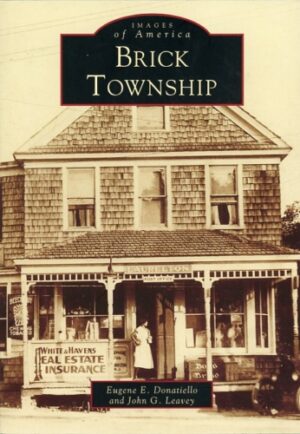 By Eugene E. Donatiello & John G. Leavey: In 1850, when the New Jersey Legislature created Ocean County, they also created Brick Township among a region of virgin woodlands. The new township was named after its most prominent resident, Joseph W. Brick, the industrious and successful owner of Bergen Iron Works. As his and other local industries expanded, more and more people began to call Brick their home. Brick Township records these founders and the events and places that helped them shape our community. By 1920, parts of the new township had declared their independence, and the remaining parts of Brick began to evolve into a resort community. The summer tourists, farmers, home builders and shipbuilders, anglers, hunters, tavern and innkeepers, merchants, and others helped fashion Brick into an intimate but prosperous community. Brick continued to be a quiet, rural, resort area into the 1950s, when the Garden State Parkway opened, and residential and commercial development created dramatic growth in year-round residents, and it became a thriving suburban community. Brick Township captures scenes of life in Brick from 1850 to the 1950s and beyond; from the early European settlers to the suburbanites who now call Brick their home; from the thriving poultry industry to area resorts; from Joseph Brick to our friends and family who live among us today.
-
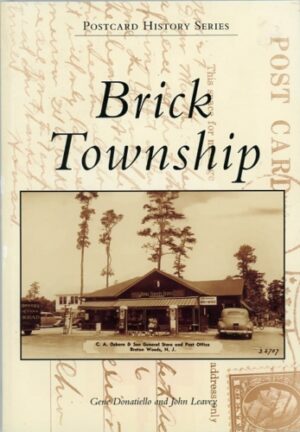 By Gene Donatiello & John Leavey: In 1850, the New Jersey Legislature created Ocean County and Brick Township, naming it for Joseph W. Brick, the industrious owner of Bergen Iron Works. At the beginning of the 20th century, Brick Township was a rural community. Up until the 1920s, postcards of the township were primarily architectural images. Brick Township contains updated images of familiar names and places: Emma Havens Young, for whom an elementary school has been named; the very popular Red Lion Tavern, later called the Red Lion Inn; the progression of four bridges crossing Barnegat Bay to the peninsula area of Brick Township; and Traders Cove Marina as it looked in the 1950s when it was called Pleasure Cove Marina. There are postcards from summer camps, such as Camp NEJECHO and Metedeconk Summer Camp, and from summer resorts, such as Breton Woods, Riviera Beach, and Normandy Beach.
-
 By Ellen V. Fayer, Stan Fayer, & Walter A. Brower: Chatsworth, a small village in the New Jersey Pinelands, was known as Shamong until 1901. The community traces its beginning to the early 1700s, when settlers mined and forged bog iron to make cannonballs for the American Revolution, and farming was the primary source of income. In the mid-1800s, Chatsworth was a popular stopping point for stagecoach travelers to the Jersey Shore. The arrival of the railroad removed the remoteness of the village and captured the attention of people throughout the country. Prince Mario Ruspoli de Poggio-Suasa, an attaché of the Italian embassy in Washington, D.C., built an elegant villa at the lake. Soon after, the exquisite Chatsworth Country Club was built and counted among its membership a sitting vice president of the United States. It was during this period that Chatsworth played a dominant role in the development of the cranberry industry and began attracting hunters and others seeking recreational opportunities in the Pinelands. The cultivated blueberry industry also had its beginnings in Chatsworth in the 1930s.
-
 By Kent Mountford : A history of New Jersey's Barnegat Bay region, Closed Sea weaves a colorful tale of whalers and pirates, Revolutionary patriots and loyalists, fishermen and loggers, iron masters and lifesaving crews, sportsmen and holiday makers. Filled with historical anecdote and keen observations of sea and shore, it is a compelling portrait of Barnegat Bay and its history. With a naturalist's eye and a sailor's experience, environmental historian Kent Mountford describes the history of the Bay and its people, from the Lenni Lenape to 20th century summer vacationers. He opens our eyes to the Shore's past, its shifting inlets, disappearing islands, dangerous tides and shoals. Moving inland, he documents the Pinelands environment and the industries it has supported over the centuries. Closed Sea tells the remarkable history of a fascinating place, a place of great beauty, danger and opportunity, a place that has cast its spell on generations of people.
-
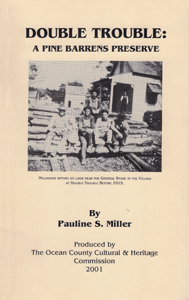 By Pauline S. Miller: This booklet about the historic village of Double Trouble is a brief informational guide to take you through the long history of a pinelands industrial village nestled in the Pine Barrens of New Jersey. This “gem” of a historic site and its unique botanical plants of native New Jersey flora is one of the best kept secrets in the state. Its isolation from any nearby town or village has kept this site in pristine native condition, except for the natural deterioration of buildings in the village. The old saw mill once again hums as it saws local cedar and cedar shingles. The cranberry sorting house and tiny one room school along with other building have been stabilized. Double Trouble State Park is located within the New Jersey Coastal Heritage Trail.
-
 By William S. Dewey: Discover a wealth of information about the Pineland communities of Manchester, Whiting, and Lakehurst. A resident of the areas, Mr. Dewey has done extensive research into the development of industries in the area and the people who brought those industries to life. Included are a description of railroad development, two railroad maps, and two early railroad timetables.
-
 By John Bailey Lloyd: Rediscover Tucker’s Island and the lost resort of Sea Haven; ride the Tuckerton and Long Beach railroads to the new resort of Beach Haven and stroll along its elegant boardwalk. Experience the fear of the famous 1916 shark attacks, visit the early gunning and yacht clubs. Read about whalers, watch the pound fisherman haul in boats brimming with fish caught just off the beach. This is the book that resurrected Island history.
-
 By Cedric Derecho: A companion book to A Small Town Life, the author separates the facts about William Foulks and his family from fiction. Included are over 80 Historical Photos from Lakehurst, New Jersey that trace William Foulks life.
-
Out of stock
 By R. Marilyn Schmidt: Because of their often perceived or actual isolated location, Pine Barrens folk grew much of their food, particularly fruits and vegetables. People of the pines knew how to live off the land. During the Great Depression, these residents suffered little hardship. Gardens supplied vegetables which were eaten fresh, dried or canned in contrast to today’s freezing. Root cellars, a rarity today, enabled folks to keep potatoes, cabbages, carrots, beets, squash, and other vegetables and fruits to provide food throughout the winter. Little food was purchased. Necessities such as sugar, molasses, salt, pepper, flour, and cornmeal were available at the local general store. Today many people in the pines continue the old traditions. Cakes are still baked from scratch, gardens are maintained and yes, some people still keep chickens. The traditions of yesteryear continue today. Recipes included here are historic and interesting dishes including products commonly available or locally grown. They are culled from old time literature, - magazines, newspapers, books - and friends both old and new. Many were handed down from generation to generation. Enjoy these dishes and have them become a part of your history, as well.
-
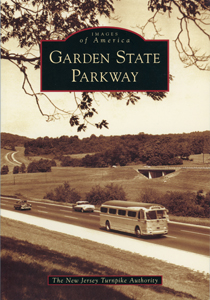 By The New Jersey Turnpike Authority: The Garden State Parkway has transformed the lives of New Jersey residents since opening in 1954. Spanning 173 miles from Cape May to the New York State line, it has fostered tourism to the Jersey Shore and given commuters an easier way to get to work. Gov. Alfred E. Driscoll had envisioned the impact a new highway could have on the state, and a large team of planners, engineers, and contractors made it happen. In 1952, the legislature created the New Jersey Highway Authority to ensure the funding and completion of the $330-million parkway and to self-sufficiently operate the roadway through toll revenue. Garden State Parkway shows how this iconic roadway gained its place in history and continues to combine safe transportation in a parklike setting with the scenic beauty of New Jersey.
-
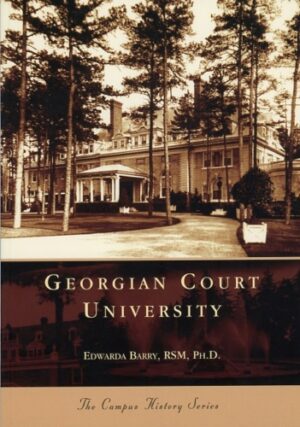 By Edwarda Barry, RSM, Ph.D.: Georgian Court University is a pictorial history of the university from its founding in 1908 by the Sisters of Mercy under the title College of Mount St. Mary. Originally located in Plainfield, the school relocated in 1924 to a former country estate of millionaire George Jay Gould in Lakewood. Retaining the estate title at the request of the Gould family, the Sisters of Mercy renamed the school Georgian Court College. With continuous growth of enrollment, programs, technology, and personnel, the college was designated Georgian Court University by the state in 2004. This centennial book, using the mission of the university as its theme, captures the traditional commitments of the university: a comprehensive liberal arts program in the Roman Catholic tradition; an environment conducive to the cultural, social, and spiritual growth of the entire university community; the core values of justice, respect, integrity, compassion, and service; and a special concern for women.
-
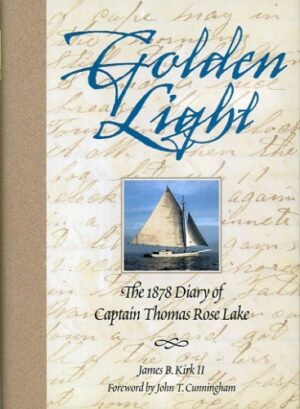 Edited by James B. Kirk II: A vanished world and an example of a “good life” lived through a single year of a Jersey Shore sea captain is revealed in this fascinating interpreted account.
-
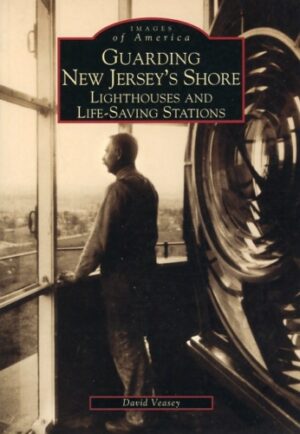 By David Veasey: From the seventeenth to the twentieth century, New Jersey's low-lying, sandy coast has been the site of thousands of shipwrecks as ships bound for New York City or Philadelphia foundered on its offshore shoals. As coastal and international trade dramatically increased after the War of 1812, the federal government was forced to increase safety aids to mariners. To ensure their safe passage, a series of lighthouses was built and the U.S. Life-Saving Service was created. More than two centuries of the history of New Jersey's treacherous coast are preserved in Guarding New Jersey's Shore: Lighthouses and Life-Saving Stations. Gathered from a wide array of sources, more than 200 historic photographs and fascinating, documented text combine to create the only illustrated history of the state's thirty-eight lighthouses and forty-one life-saving stations. Sandy Hook, built in 1764, is the nation's oldest operating lighthouse. Navesink's Twin Lights was the first lighthouse to use electricity and was the home of Marconi's early radio experiments. From the Statue of Liberty in New York Harbor, which once served as a lighthouse, to Cape May Point, and up the Delaware Bay and River, the fascinating story of protecting mariners from perils "Down the Shore" is presented and preserved in Guarding New Jersey's Shore: Lighthouses and Life-Saving Stations.
-
 By Ted Gordon: Charcoal making was a major industry in the Pine Barrens. Herbert Payne was one of the last Charcoal Makers in the area. Learn about Mr. Payne as well as the history of this amazing industry through photos and text.
-
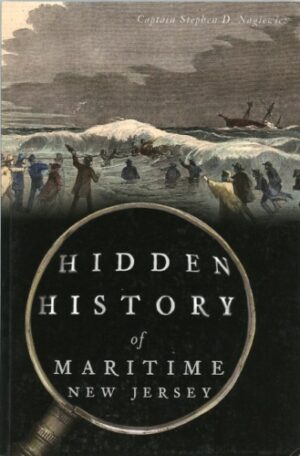 By Captain Stephen J. Nagiewicz: An estimated three thousand shipwrecks lie off the coast of New Jersey - but these icy waters hold more mysteries than sunken hulls. Ancient arrowheads found on the shoreline of Sandy Hook reveal Native American settlement before the land was flooded by melting glaciers. In 1854, 240 passengers of the New Era clipper ship met their fate off Deal Beach. Nobody knows what happened to two hydrogen bombs the United States Air Force lost near Atlantic City in 1957. Lessons from such tragic wrecks and dangerous missteps urged the development of safer ships and the U.S. Coast Guard. Captain Stephen D. Nagiewicz uncovers curious tales of storms, heroism and oddities from New Jersey's maritime past.
-
 By Joseph G. Bilby, James M. Madden, & Harry Ziegler: Explore the lesser-known stories that make up New Jersey's compelling hidden history. Uncover the meaning of "Jersey Blues", celebrate some of the state's bravest Revolutionary and Civil War soldiers and investigate Jersey City's most infamous ghost. From the inferno that engulfed Asbury Park, to the benevolent side of Frank Hague, to the equestrienne who plunged forty feet into a pool of water on horseback in Atlantic City, rediscover these and many other events from New Jersey's storied past.
-
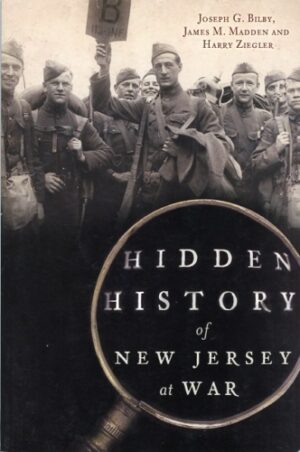 By Joseph G. Bilby, James M. Madden and Harry Ziegler: This book is a series of essays that deal with various little-known aspects of the state’s military experience, beginning with Henry Hudson’s first contact with New Jersey’s Native Americans in 1609 through the War for Independence up to and including the Cold War. There are tales of generals and privates, soldiers and civilians, heroism and blundering, on the war front and the home front, that capture how the state’s citizens coped with the struggles of war.
-
 By Gretchen F. Coyle and Deborah C. Whitcraft: It was the great disaster of the 1930s, a horrific experience for all those aboard the ill-fated liner sailing to New York from exotic, anything-goes Cuba. The luxurious ship was filled with passengers finding escape from the Great Depression but, the night before arrival, the ship was a scene of panic as a raging fire quickly spread, killing 137 and sending many overboard. The aftermath floated onto the beach at Asbury Park, where the Jersey Shore resort town filled with rescuers, press, and curiosity-seekers. The smoldering ship became a macabre tourist attraction, and the dramatic story filled front pages for week. Controversy surrounded the tragedy and much of the mystery of the Morro Castle fire has endured.
-
 By Margaret Thomas Buchholz: Island Album depicts the island and its people from the late 1800s to the present. It includes many images that disappeared into attics generations ago have never been seen before by the public. Both an oral and pictorial history of the 18-mile sandbar at the center of the Jersey Shore, the book is an ode to a pioneering way of life that vanished long ago.
-
 By Corinne G. Ruff: Island Child, LBI features contributions from those who have loved and lived on Long Beach Island. Children of all ages, from all shores, its life lessons are inspired by individual, experiences and iconic LBI features—creating a sandy, salty blend of philosophy and local charm.
Call Us Today! (732) 341-1880