-
 By Karen F. Riley: The Pine Barrens of New Jersey cover 22 percent of the most densely populated state in the country. The name came from early settlers who thought the area was a vast wasteland, but it is anything but barren. Underneath this incredible natural resource lies almost 17 trillion gallons of some of the purest water on earth. The charcoal industry began here, cranberry production, cultivated blueberries were developed in this area. You’ll uncover many forgotten ghost towns but the people who lived and worked there are the real story.
 -
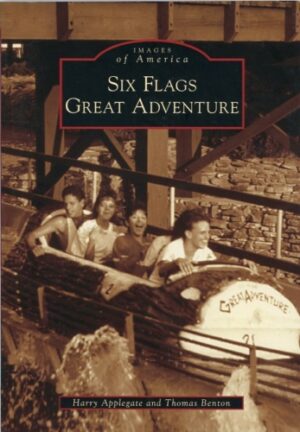 By Harry Applegate & Thomas Benton: In 1977, Great Adventure (in Jackson Township, NJ) became a member of the Six Flags family of theme parks and has grown since with bigger and better attractions.
 -
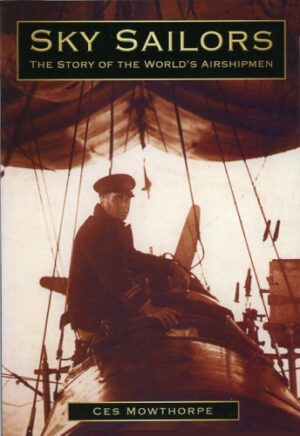 By Ces Mowthorpe: The story of the sky sailors - the men who pioneered a mode of air transport that today is virtually forgotten. During the first two decades of aviation pioneering (c.1890-1910), airshipmen greatly outnumbered aeroplane pioneers. But the great innovations in heavier-than-air aircraft, the advent of two world wars, and the bad publicity brought about by a few horrific airship disasters, Hindenburg and Shenandoah to mention two, changed the picture completely.
 -
 By Gretchen F. Coyle & Deborah C. Whitcraft: Once located between Great Bay and Little Egg Harbor, along the New Jersey coast, Tucker's Island disappeared into the Atlantic Ocean. Sand dunes and native foliage once covered its eight miles. For generations, the Rider family kept the light illuminated, and the US Life-Saving Service provided aid to ships in distress. Two hotels were constructed by island men with building materials salvaged from local shipwrecks. Visitors arrived by sail or steam, and the popularity of Tucker's Island inspired real estate agents to sell worthless lots to unsuspecting buyers eager for their own piece of the shore. Storms battered the vulnerable island; the lighthouse toppled in 1927, the life-saving station washed away, and in 1932, the island was removed from tax records.
 -
 By Kevin Hughes: Learn about life by the bay as the historic residents of Barnegat come alive through the use of images and photographs.
 -
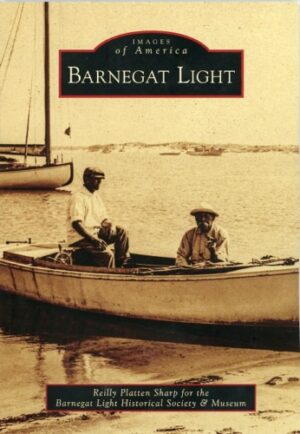 By Reilly Platten Sharp: At the mouth of Barnegat Inlet, Native Americans, whalers, pirates, fisherman, and revolutionaries once fished, fought, and died on Barnegat Light’s shores. Before the current lighthouse was designed in 1856 by Gettysburg General George Meade, the dangerous offshore shoals claimed many lives.
 -
 By Linda Barth: Rutgers and Princeton played the first college football game in 1869. The Apollo space suit was developed by Abraham Spanel. The first beer can was created by The American Can Company and Kreuger Brewing Company. These are only a few of the many innovations and breakthroughs that have occurred in New Jersey.
 -
 By Jerry A. Woolley: Point Pleasant Volume I and Volume II have captivated audiences, and now, in this new addition to the Images of America series, author Jerry Woolley offers us a third volume of images to help us connect with our past. In Point Pleasant Volume III, we are invited to take a stroll down memory lane and see the area's residents at work and at play, boating and fishing, and simply relaxing on the beach. Also featured within these pages are a variety of snapshots of the places and events that have given this community its Old-World familiarity. It’s no wonder that Point Pleasant and Point Pleasant Beach have been popular tourist destinations for more than two centuries.
 -
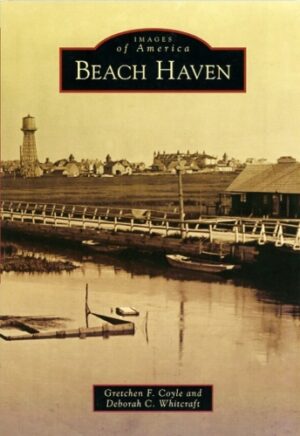 By Gretchen F. Coyle & Deborah C. Whitcraft (Images of America): Founded in 1874, Beach Haven was designed as one of the first summer seashore resorts for wealthy Philadelphians. Beach Haven’s boardwalk was one and a quarter miles long. A steamboat, connected with the Tuckerton Railroad, brought visitors to the island.
 -
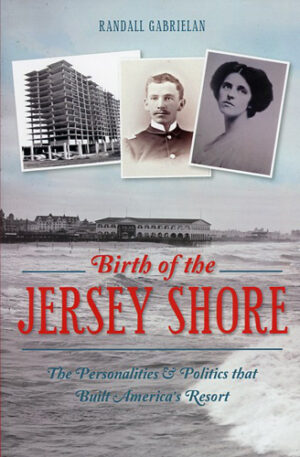 By Randall Gabrielan: The recounting of the development of the Jersey Shore of today from agrarian and maritime communities of days gone by to the bustling area that exists in modern times. Photographs and descriptions trace the events that shaped today’s Jersey Shore.
 -
 By Joseph G. Bilby, James M. Madden, & Harry Ziegler: Explore the lesser-known stories that make up New Jersey's compelling hidden history. Uncover the meaning of "Jersey Blues", celebrate some of the state's bravest Revolutionary and Civil War soldiers and investigate Jersey City's most infamous ghost. From the inferno that engulfed Asbury Park, to the benevolent side of Frank Hague, to the equestrienne who plunged forty feet into a pool of water on horseback in Atlantic City, rediscover these and many other events from New Jersey's storied past.
 -
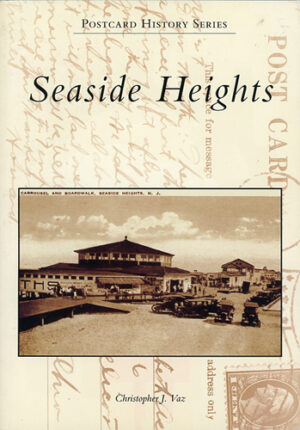 By Christopher J. Vaz: Seaside Heights tells the history of a timeless seashore resort community located on a barrier island nestled between the Atlantic Ocean and Barnegat Bay. The 224-acre town was settled by residents of Philadelphia and Camden, who purchased white-sand lots to escape city life for the brisk ocean breezes and tranquility that Seaside Heights offered prior to World War II. Seaside Heights uses the scenes captured in vintage postcards, some of them very rare, as a study of the changes that have occurred in the town since its incorporation in 1913.
Call Us Today! (732) 341-1880