-
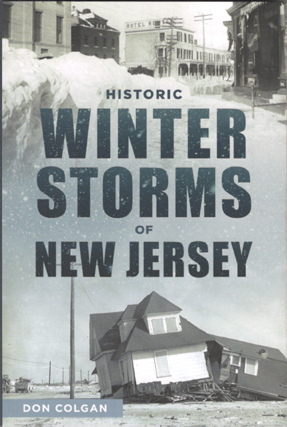 By Don Colgan: Crippling winter storms are locked in the memories of millions of New Jerseyans. On December 26, 1947, an unpredicted storm buried Newark in twenty-six inches of snow. A record-setting nor’easter on January 22, 2016, unleashed sixty-mile-per-hour wind gusts, six-foot drifts and snowfall depths of thirty inches in Bernards Township and Long Valley. But no storm was more infamous than the so-called Great White Hurricane. Coming when the science of meteorology was in its infancy, the blizzard of 1888 left tens of millions at the mercy of a vicious three-day nightmare with tragic loss of life and property that no one saw coming. Don Colgan tells the stories of winter’s fury and of those who lived through the most extraordinary winter storms in New Jersey history.
-
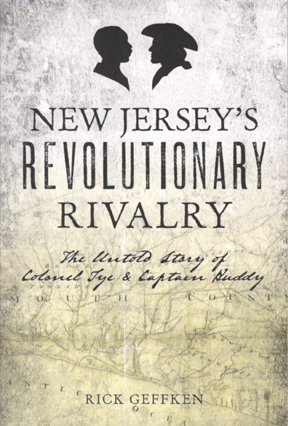 By Rick Geffken: After the Battle of Monmouth Court House, in June 1778, the Revolutionary War in Monmouth County devolved into skirmishes between local militias and British Loyalists. Chief among these warring factions were revered rebel hero Captain Joshua Huddy and his fierce rival, a runaway enslaved Black man called Colonel Tye, who fought for the British. Attempting to bring the captured Huddy to prison, Tye was killed in battle, and when Loyalists murdered Huddy without benefit of trial two years later, the resulting international outrage jeopardized Benjamin Franklin’s Paris peace treaty negotiations. Only when Marie Antoinette pleaded with George Washington to stop the retaliatory hanging of a young British lieutenant did the peace talks resume. Rick Geffken reveals the stories of these two obscure enemies who died and rose to fame for their beliefs in independence.
-
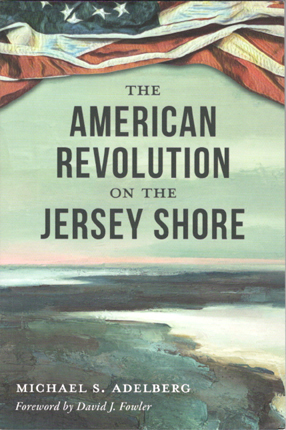 By Michael S. Adelberg: On the Jersey Shore, the Revolutionary War was more than a contest between the Continental and British Armies. In this neglected region, locals divided into pro- and anti-independence camps that fought a tumultuous six-year war only intermittently tied to the larger conflict. This war brought unprecedented economic opportunity to the Jersey Shore’s formerly poor and secluded villages, as locals risked their savings on speculative salt-making ventures and risked their lives in privateer vessels. British ships bound for New York were hunted by smaller vessels lurking in shore inlets. Local leaders sought to find and punish stealthy “London Traders” smuggling provisions behind British lines, and militia battled so-called Pine Robber gangs that frequently bested them. Richly documenting and vividly narrating these events and others, award-winning historian Michael Adelberg explores the shore’s roll in America’s war for independence.
Call Us Today! (732) 341-1880