-
Out of stock
 By R. Marilyn Schmidt: Because of their often perceived or actual isolated location, Pine Barrens folk grew much of their food, particularly fruits and vegetables. People of the pines knew how to live off the land. During the Great Depression, these residents suffered little hardship. Gardens supplied vegetables which were eaten fresh, dried or canned in contrast to today’s freezing. Root cellars, a rarity today, enabled folks to keep potatoes, cabbages, carrots, beets, squash, and other vegetables and fruits to provide food throughout the winter. Little food was purchased. Necessities such as sugar, molasses, salt, pepper, flour, and cornmeal were available at the local general store. Today many people in the pines continue the old traditions. Cakes are still baked from scratch, gardens are maintained and yes, some people still keep chickens. The traditions of yesteryear continue today. Recipes included here are historic and interesting dishes including products commonly available or locally grown. They are culled from old time literature, - magazines, newspapers, books - and friends both old and new. Many were handed down from generation to generation. Enjoy these dishes and have them become a part of your history, as well.
 -
 By June Methot: Over one hundred years ago Leah Blackman, a resident of Tuckerton, wrote a history of Little Egg Harbor Township which included genealogical information about numerous early settlers and old families of that area. June Methot, with the many sources available for research today, has updated that genealogical data with additions and corrections. This is an excellent resource for anyone searching for his/her roots in Southern Ocean County. Leah Blackman’s publication, The History of Little Egg Harbor Township, is out of print but may be available in libraries and/or research centers.
 -
 By Ocean County Historical Society: See the people, places and events that have defined the city of Toms River and its surrounding area since the early 1700s. Located on the banks of the river of the same name, Toms River was first settled in the early 1700s by loggers drawn to the dense forests on the river's banks. During the American Revolution, the village was a constant thorn in the side of the British, and it was attacked and burned to the ground in 1783. The arrival of the railroads in the late 1800s ushered in a new age of expansion which, spurred on by the construction of the Garden State Parkway in the decade after World War II, continues to this day. See for yourself how it all came about with over 200 carefully-selected photographs.
 -
 By William J. Lewis: Deep within the heart of the New Jersey Pine Barrens, the Piney people have built a vibrant culture and industry from working the natural landscape around them. Foraging skills learned from the local Lenapes were passed down through generations of Piney families who gathered many of the same wild floral products that became staples of the Philadelphia and New York dried flower markets. Important figures, such as John Richardson, have sought to lift the Pineys from rural poverty by recording and marketing their craftsmanship. As the state government sought to preserve the Pine Barrens and develop the region, Piney culture was frequently threatened and stigmatized. Author and advocate William J. Lewis charts the history of the Pineys, what being a Piney means today and their legacy among the beauty of the Pine Barrens.
 -
Out of stock
 By Ray Fisk & Leslee Ganss: What is the authentic Long Beach Island? With its rich history, family attachments that go back generations, memories of carefree summers, spectacular sunrises and sunsets, beach, ocean and bay, there is so much that is timeless and true. All Things LBI celebrates this bond with vignettes of places, pleasures, and moments past and present and 480 images. The book includes storms, shipwrecks, natural history, nostalgia and the off-season.
 -
Out of stock
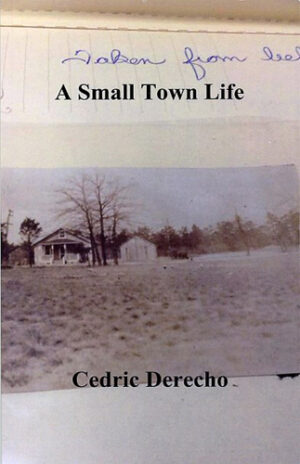 By Cedric Derecho: A work of fiction about William Foulks, a real man who lived in Lakehurst, New Jersey in the late 1800s until 1961. The author writes in the first person with his own style as the voice of the main character growing up in Lakehurst.
 -
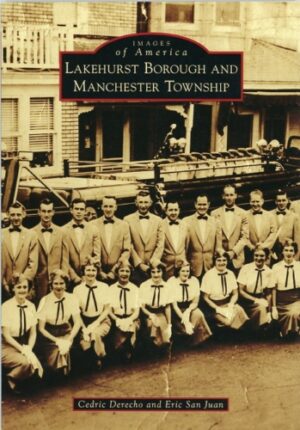 By Cedric Derecho and Erik Juan: The village of Manchester began life as a railroad town founded by William Torrey. By the early 20th century, the village had become the borough of Lakehurst and the surrounding community broke off into what is currently Manchester Township, consisting of the areas of Whiting, Ridgeway, and Pine Lake.
 -
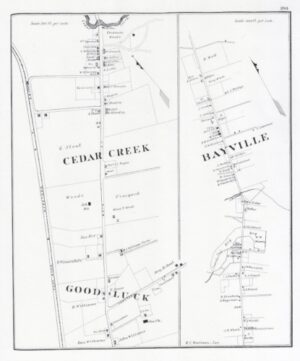 1878 Communities of Ocean County from Atlas of Historical and Biographical New Jersey Coast by Woolman and Rose
 -
 By Carolyn M. Campbell, M. Peryl King, Martha T. Smith: The story of one-room schools moves from the mid 1800’s, when schools were in such disrepair that chickarees (squirrels) nested in the walls, to 1943 when the last one-room school was closed. Over 100 photos and maps, interviews with teachers and pupils, and quotations from the time emphasize the changes that have occurred in education during this century. Specific information about the county’s 76 one-room and 8 multiroom schools is given in the directory.
 -
 By William S. Dewey: Discover a wealth of information about the Pineland communities of Manchester, Whiting, and Lakehurst. A resident of the areas, Mr. Dewey has done extensive research into the development of industries in the area and the people who brought those industries to life. Included are a description of railroad development, two railroad maps, and two early railroad timetables.
 -
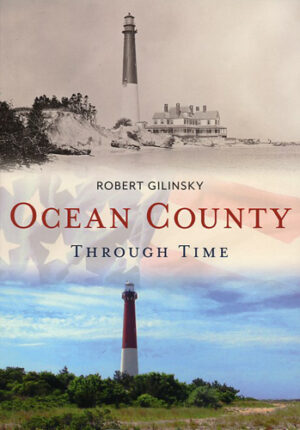 By Robert Gilinsky: Ocean County was born on February 15, 1850 when she was chartered and officially annexed from Monmouth County taking well over half of that county’s land but only a fraction of its population. Ocean County is the second largest county in New Jersey. Over the past several decades, it has led the state in population growth. Long know for its beautiful beaches and pristine pine barrens, it has undergone major changes, some positive and other not so positive.
 -
Out of stock
 By Louise Ann Barton: Does the Jersey Devil really exist or did the legend spring up from tales told around campfires? Did the stories become more embellished with every generation? Read the book and decide for yourself.
Call Us Today! (732) 341-1880