-
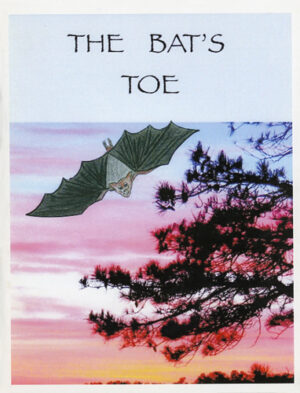 By Gail and Roni Goodhart: A squirrel, a snake, and a beaver overhear some hunters talking about the importance of being near a bat’s toe. They try to hang close to an actual bat’s toe only to learn the hunters were actually referring to Batsto Village. Learn how the bat convinces the squirrel, snake, and beaver to let him get his sleep. Photos and text are the work of the authors.
 -
Out of stock
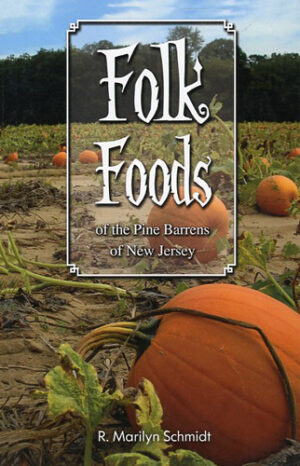 By R. Marilyn Schmidt: Because of their often perceived or actual isolated location, Pine Barrens folk grew much of their food, particularly fruits and vegetables. People of the pines knew how to live off the land. During the Great Depression, these residents suffered little hardship. Gardens supplied vegetables which were eaten fresh, dried or canned in contrast to today’s freezing. Root cellars, a rarity today, enabled folks to keep potatoes, cabbages, carrots, beets, squash, and other vegetables and fruits to provide food throughout the winter. Little food was purchased. Necessities such as sugar, molasses, salt, pepper, flour, and cornmeal were available at the local general store. Today many people in the pines continue the old traditions. Cakes are still baked from scratch, gardens are maintained and yes, some people still keep chickens. The traditions of yesteryear continue today. Recipes included here are historic and interesting dishes including products commonly available or locally grown. They are culled from old time literature, - magazines, newspapers, books - and friends both old and new. Many were handed down from generation to generation. Enjoy these dishes and have them become a part of your history, as well.
 -
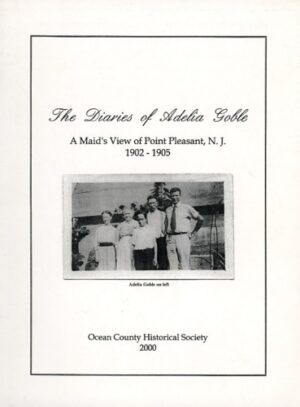 By Adelia Goble: This is a 2000 Ocean County Historical Society publication. If you have ever wondered what the life of a servant was like, this book will answer all of your questions. The book contains Adelia Goble’s personal writing about her life as a maid for Presbyterian Minister Rev. Spencer C. Dickson and his family from 1902 to 1908. Some of her diary’s entries are harsh, but the reader will come away with a better sense of the life of a servant in the beginning of the twentieth century.
 -
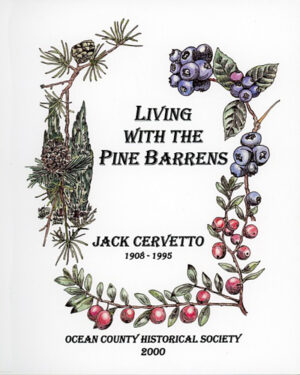 By Jack Cervetto—1908-1995: Jack Cervetto was not unique to having made a living in the pine barrens of New Jersey. What distinguishes him from hundreds of others is the fact that he reflected on his life in his later years and recorded his memories. He set goals for himself and his community, provided the leadership that was needed to accomplish a desired end, and was well-liked and respected by his associates, whether leading a deer hunt or debating an issue at a meeting of the Stafford Township Board of Education.
 -
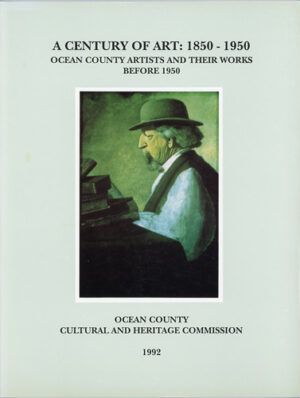 By Pauline S. Miller & Marilyn R. Kralik: At least seventy noteworthy artists lived and worked in Ocean County between 1850 and 1950. The book serves as an introduction to some of those artists. In some cases, there is documentation on the artist but examples of their work could not be located. In other cases, the authors have included works by known artists but could locate little or no information about the creator of the work. Included are both professional and amateur artists.
 -
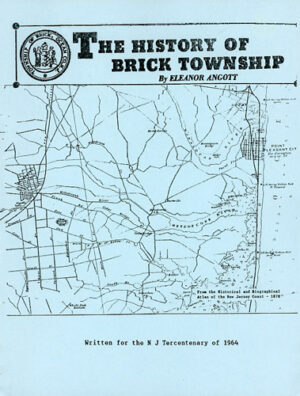 By Eleanor Angott: Written in 1964 as a series of newspaper articles for the New Jersey Tercentenary. The articles have been indexed and copied for this 1992 publication. It contains a comprehensive history of the area beginning in pre-revolutionary war times. The text is rich with family names, many of which are still common in the Brick Township of today. The publication contains an index.
 -
Out of stock
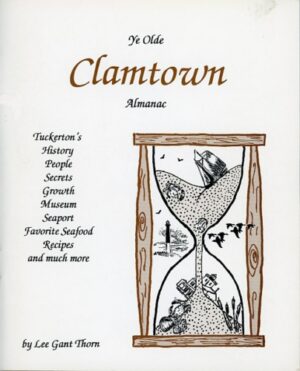 By Lee Gant Thorn: This recipe book and almanac was written to give the reader an insight into the birth several centuries ago of what is now the village of Tuckerton and how it grew. It will introduce you to the forefathers, the history making events, and the struggles that shaped the town. It will tell you of today’s goings-on and the plans for the future. On the most part the gentle mood of nostalgia in this book is true. At times it is presented as witnessed, remembered and related by one John Ortley Tucker, who is a totally fictional character. However, as Mr. Tucker rambles on, the actual tales of Tuckerton and its people are revealed and relived.
 -
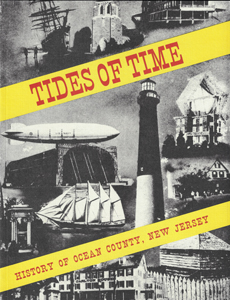 Compiled by the Ocean Conty Principal’s Council: Written by school pupils over a nine-year period and published by the Ocean County Principal’s Council in 1940, the book has a wealth of information about many of the communities in Ocean County, Its style is simple, direct, and concise. One hundred pictures enhance the narrative descriptions of people, places, and events in Ocean County. The book contains an index that will help the reader to locate specific information.
 -
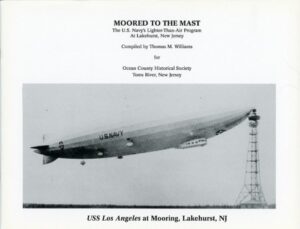 Compiled by Thomas M. Williams: The U.S. Navy’s Lighter-Than-Air Program tells the history of the various dirigibles that were built, repaired, and stored at various times during their sometimes-brief lives, at Naval Air Station, Lakehurst, New Jersey. The second half of this pictorial contains detailed information about the blimps, the non-rigid airships, which patrolled our Atlantic Coast during World War II.
 -
Out of stock
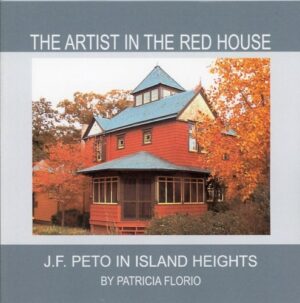 By Patricia Florio: Explore the life and times of John Frederick Peto (1854-1907). Learn about the studio and home he built in Island Heights, New Jersey. The intact home offers intriguing insight into his life as the artist in the red house.
 -
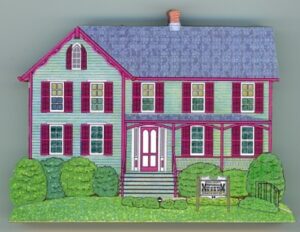 Painted wood cut of the historic Elizabeth Sculthorp Force House, currently the home of the Ocean County Historical Society.
 -
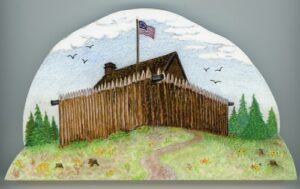 The Toms River Blockhouse (c1776-1782) was situated on a hill overlooking the harbor in the village of Toms River.
Call Us Today! (732) 341-1880