-
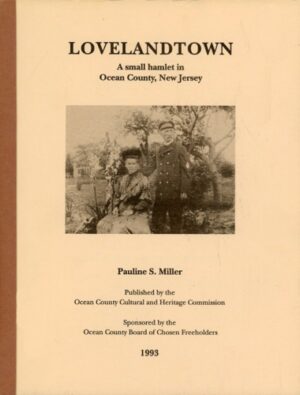 By Pauline S. Miller: The story of a small hamlet in Ocean County. Esther Loveland Kinsley shares her recollections of the town established by her grandfather, John E. Loveland.
 -
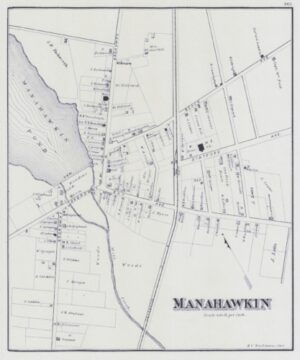 1878 Communities of Ocean County from Atlas of Historical and Biographical New Jersey Coast by Woolman and Rose
 -
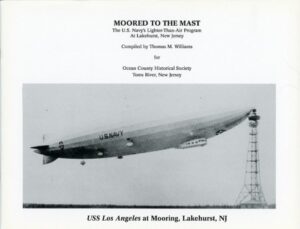 Compiled by Thomas M. Williams: The U.S. Navy’s Lighter-Than-Air Program tells the history of the various dirigibles that were built, repaired, and stored at various times during their sometimes-brief lives, at Naval Air Station, Lakehurst, New Jersey. The second half of this pictorial contains detailed information about the blimps, the non-rigid airships, which patrolled our Atlantic Coast during World War II.
 -
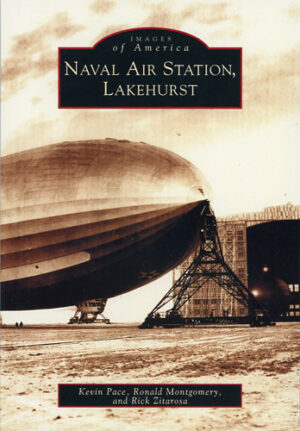 By Kevin Pace, Ronald Montgomery, & Rick Zitarosa: The naval air station in Lakehurst, New Jersey, has a rich and bittersweet history steeped in success and tainted with tragedy. The area evolved from a gas warfare proving ground during World War I to the focal point of lighter-than-air operations in the United States. Labeled one of the world's first international airports, Lakehurst quickly became a hub of lighter-than-air activity. Although the dirigibles are no longer active, it remains crucial in the operational support of naval aviation as the Naval Air Engineering Station, Lakehurst. Rare photographs and material from the archives of the Navy Lakehurst Historical Society chronicle more than eighty-five years of base activity. Offering a unique glimpse of the people, the machines, and the background against which it has all unfolded, this volume examines Lakehurst's vital contributions to the development of aviation and national defense. Naval Air Station, Lakehurst explores the construction of the giant hangars and support buildings for the airships of the U.S. Navy and the glory days of the German Zeppelin visits. The blimp programs from World War II through 1962 and the various schools and tenant commands turned the air station into a key component of naval aviation.
 -
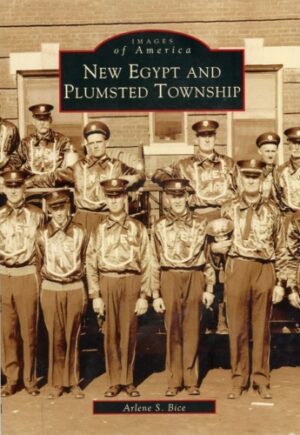 By Arlene S. Bice: New Egypt and Plumsted Township is a collection of unique vintage photographs, many of which have never before been published. Beginning with Quaker Clement Plumstead of London, who was granted twenty-seven hundred acres in 1699, this history shows the progression of the township to the mid-1900s. At the end of the nineteenth century, railroad transportation brought visitors to New Egypt, which blossomed with hotels, guesthouses, the Isis Theatre, and carnivals on Oakford Lake. Among the images are views of Harker's Grove, a favorite spot for picnics and dancing on the pavilion; Sunday concerts held by local talent in New Egypt; and the open space that has made hunting, fishing, and other outdoor activities popular pastimes for locals and visitors alike.
 -
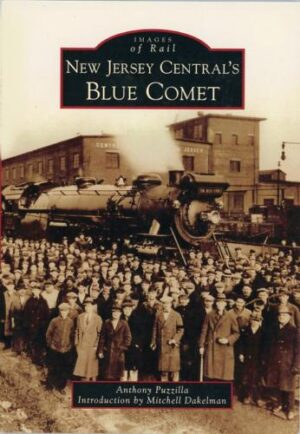 By Anthony Puzzilla: The legendary Blue Comet train no longer streaks through the pines of New Jersey. However, its memory still lives on through timeless images and the sustained efforts of historical societies and preservation organizations. The Garden State's Blue Comet passenger train service operated from 1929 to 1941, on a route from the New York metropolitan area to Atlantic City. This book contains memorable images, many from private archival photograph collections, showing the remarkable history of this classic train and of the many hardworking, dedicated people who made it all possible.
 -
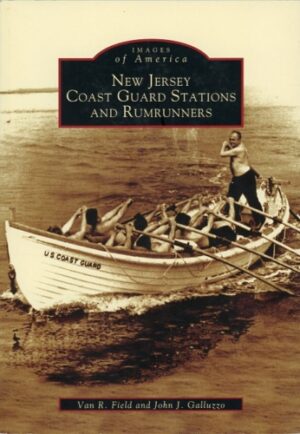 By Van R. Field & John J. Galluzzo: With its many inlets, points, and coves, the coast of New Jersey stood out as a haven for rumrunners brazenly thumbing their nose at the federal government during Prohibition. New Jersey was also recognized as the birthplace of the federal government's shore-based units of the United States Coast Guard, the organization charged at that time with stopping the flow of "demon rum" into America. With its vivid images, New Jersey Coast Guard Stations and Rumrunners revives the days when New Jersey's "coasties" stood toe-to-toe with the rumrunners of the 1920s and 1930s.
 -
 By Thomas P. Farmer: Encompassing two centuries of war, politics, intrigue, heroics, tragedy and celebration, the personalities, quirky episodes and indelible moments that make up New Jersey’s rich fabric are numerous. New Jersey’s unsurpassed history finally gets its due!
 -
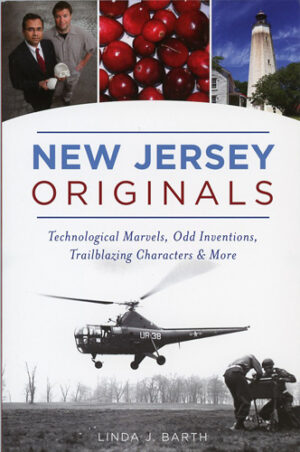 By Linda Barth: Rutgers and Princeton played the first college football game in 1869. The Apollo space suit was developed by Abraham Spanel. The first beer can was created by The American Can Company and Kreuger Brewing Company. These are only a few of the many innovations and breakthroughs that have occurred in New Jersey.
 -
 By Richard J. Garlipp, Jr.: In the 18th and 19th centuries, covered bridges dotted the landscape of New Jersey, providing safe passage to travelers. Forty-five covered bridges once crossed waterways in all corners of the state. Perhaps the most extraordinary examples of these wooden bridges were found along the western border, crossing the Delaware River into neighboring Pennsylvania. These bridges were feats of construction and engineering but were ultimately unable to prevent the inevitable fate of almost all the covered bridges of the state, namely ice, floods, and fire as well as the development of new materials and technology. Today, only one covered bridge survives in New Jersey. The Green Sergeant's covered bridge in Hunterdon County was constructed over the Wickecheoke Creek in 1872 and has stood the test of time. New Jersey's Covered Bridges showcases the rich transportation history of these structures and pictorially honors the lost ones.
 -
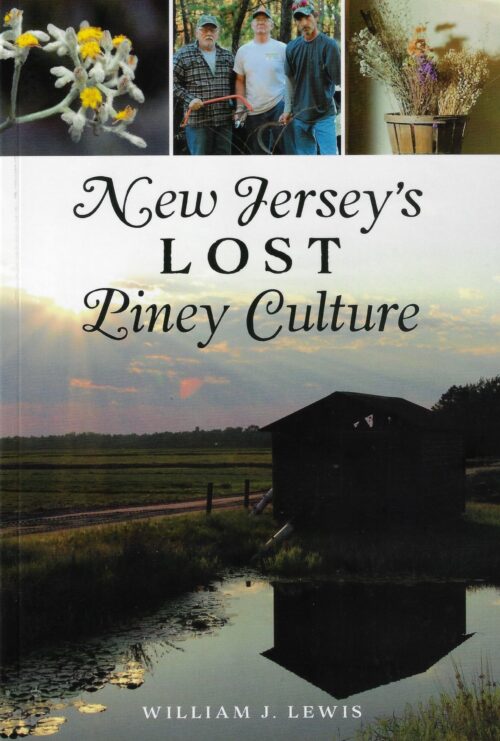 By William J. Lewis: Deep within the heart of the New Jersey Pine Barrens, the Piney people have built a vibrant culture and industry from working the natural landscape around them. Foraging skills learned from the local Lenapes were passed down through generations of Piney families who gathered many of the same wild floral products that became staples of the Philadelphia and New York dried flower markets. Important figures, such as John Richardson, have sought to lift the Pineys from rural poverty by recording and marketing their craftsmanship. As the state government sought to preserve the Pine Barrens and develop the region, Piney culture was frequently threatened and stigmatized. Author and advocate William J. Lewis charts the history of the Pineys, what being a Piney means today and their legacy among the beauty of the Pine Barrens.
 -
Out of stock
 Compiled by Elizabeth Ann Grant: These marriages, ranging from approximately the 1740s to the 1960s, were compiled from many different sources. The source for each marriage is listed in the book. The resources used are available at the Ocean County Historical Society Research Center. The purpose of this compilation was to gather all these many resources into one long date base that would enable the researcher to search with ease for any ancestor’s marriage record.
Call Us Today! (732) 341-1880