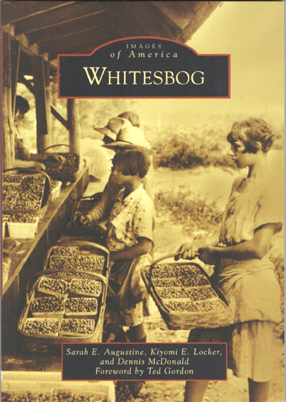
-
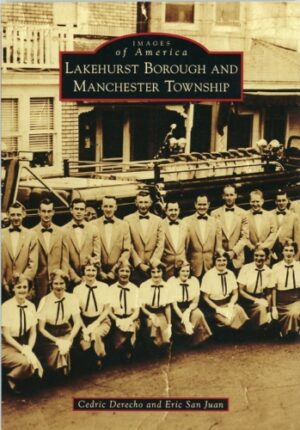 By Cedric Derecho and Erik Juan: The village of Manchester began life as a railroad town founded by William Torrey. By the early 20th century, the village had become the borough of Lakehurst and the surrounding community broke off into what is currently Manchester Township, consisting of the areas of Whiting, Ridgeway, and Pine Lake.
-
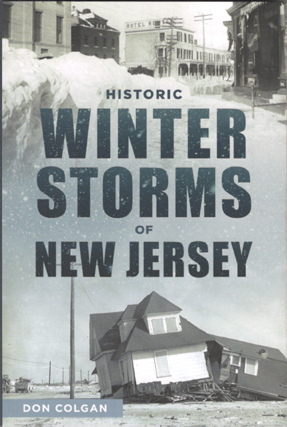 By Don Colgan: Crippling winter storms are locked in the memories of millions of New Jerseyans. On December 26, 1947, an unpredicted storm buried Newark in twenty-six inches of snow. A record-setting nor’easter on January 22, 2016, unleashed sixty-mile-per-hour wind gusts, six-foot drifts and snowfall depths of thirty inches in Bernards Township and Long Valley. But no storm was more infamous than the so-called Great White Hurricane. Coming when the science of meteorology was in its infancy, the blizzard of 1888 left tens of millions at the mercy of a vicious three-day nightmare with tragic loss of life and property that no one saw coming. Don Colgan tells the stories of winter’s fury and of those who lived through the most extraordinary winter storms in New Jersey history.
-
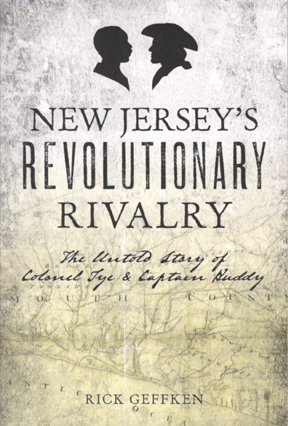 By Rick Geffken: After the Battle of Monmouth Court House, in June 1778, the Revolutionary War in Monmouth County devolved into skirmishes between local militias and British Loyalists. Chief among these warring factions were revered rebel hero Captain Joshua Huddy and his fierce rival, a runaway enslaved Black man called Colonel Tye, who fought for the British. Attempting to bring the captured Huddy to prison, Tye was killed in battle, and when Loyalists murdered Huddy without benefit of trial two years later, the resulting international outrage jeopardized Benjamin Franklin’s Paris peace treaty negotiations. Only when Marie Antoinette pleaded with George Washington to stop the retaliatory hanging of a young British lieutenant did the peace talks resume. Rick Geffken reveals the stories of these two obscure enemies who died and rose to fame for their beliefs in independence.
-
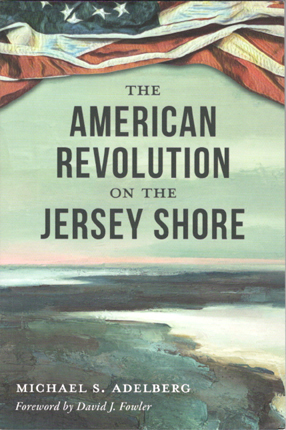 By Michael S. Adelberg: On the Jersey Shore, the Revolutionary War was more than a contest between the Continental and British Armies. In this neglected region, locals divided into pro- and anti-independence camps that fought a tumultuous six-year war only intermittently tied to the larger conflict. This war brought unprecedented economic opportunity to the Jersey Shore’s formerly poor and secluded villages, as locals risked their savings on speculative salt-making ventures and risked their lives in privateer vessels. British ships bound for New York were hunted by smaller vessels lurking in shore inlets. Local leaders sought to find and punish stealthy “London Traders” smuggling provisions behind British lines, and militia battled so-called Pine Robber gangs that frequently bested them. Richly documenting and vividly narrating these events and others, award-winning historian Michael Adelberg explores the shore’s roll in America’s war for independence.
-
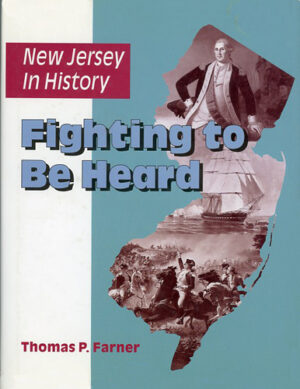 By Thomas P. Farmer: Encompassing two centuries of war, politics, intrigue, heroics, tragedy and celebration, the personalities, quirky episodes and indelible moments that make up New Jersey’s rich fabric are numerous. New Jersey’s unsurpassed history finally gets its due!
-
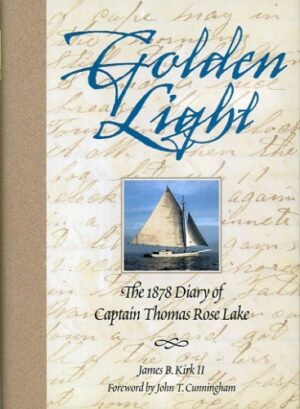 Edited by James B. Kirk II: A vanished world and an example of a “good life” lived through a single year of a Jersey Shore sea captain is revealed in this fascinating interpreted account.
-
Out of stock
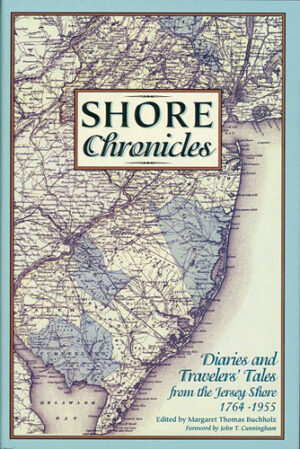 Edited by Margaret Thomas Bucholz: Covering the period from 1764 to 1955, this book contains a collection of personal accounts of visits to the Jersey Shore. Included are writings by John J. Audubon, Walt Whitman, Robert Louis Stevenson, and Arthur Conan Doyle.
-
 By Ocean County Historical Society: The Ocean County Historical Society is proud to present this collection of writings by and about Elizabeth Meirs Morgan. Within its pages you will find the story of a life dedicated to preserving the history and natural environment of Ocean County for future generations and to inform today’s population of the treasures that abound in Ocean County. Elizabeth wrote about the things she knew, the causes that she supported, topics that led her to further research—in essence, anything that interested her or that we (the reader and public) needed to know about.
-
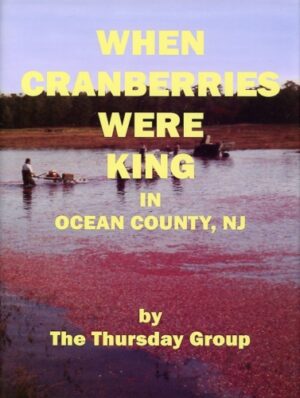 By The Thursday Group: Cranberry growing was a major industry in Ocean County. The history of cranberries begins with the Native Americans and progresses to the more recent growers and families of cranberry farmers. Learn about what a bog is and how to maintain a bog, the families and the locations of their farms as well as how World Wars and the Garden State Parkway effected the growth of the Cranberry industry in Ocean County.
-
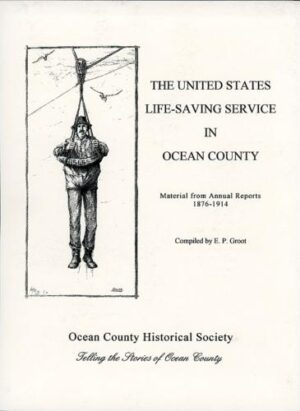 Compiled by E. P. Groot: The material in this book contains the contents of thirty-nine reports from the U.S. Life-Saving Service from 1876 to 1914. Of particular interest are descriptions of the individual stations, their personnel, and their activities. There are narratives describing the services provided by crewmen. Another section is devoted entirely to accidents. Find out about rescues and/or salvage of a particular ship and/or its crew and passengers as well as the many miscellaneous services that were provided.
-
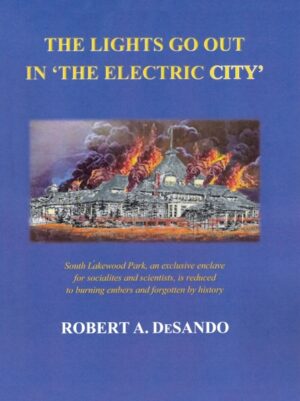 By Robert A. DeSando: South Lakewood Park was an exclusive enclave for socialites and scientists forgotten by history. A deadly pandemic, financial panic, a catastrophic fire, and a devastating tornado combined to extinguish this planned community unlike any other in New Jersey to burning embers.
Call Us Today! (732) 341-1880