-
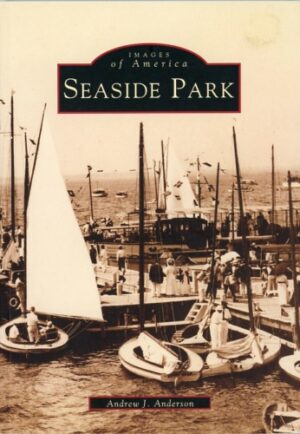 By Andrew J. Anderson: Seaside Park, located on the Barnegat Barrier Island in Ocean County, New Jersey, was incorporated in 1898. Experience the rich history of Seaside Park through the enchanting images within this pictorial history to take you back in time to the Seaside Park of long ago. Many of Seaside Park’s over 200 images have never before been seen by the public. Stroll by the grand hotels representative of the late gilded age, once the main attraction for vacationers from Philadelphia and New York. Ride the long-forgotten Pennsylvania Railroad, which carried passengers and freight into Seaside Park from 1881 until the end of World War II.
 -
 By Seaside Park Historical Society: Travel back in time to 1948 and enjoy a glimpse at Seaside Park at that time. This book is a compilation of Seaside Park’s Sunshine News, the local newspaper. You’ll read the articles about the events that happened during 1948. Discover what was making news in this local seaside town. The business advertisements are a treat to explore.
 -
Out of stock
 Edited by Margaret Thomas Bucholz: Covering the period from 1764 to 1955, this book contains a collection of personal accounts of visits to the Jersey Shore. Included are writings by John J. Audubon, Walt Whitman, Robert Louis Stevenson, and Arthur Conan Doyle.
 -
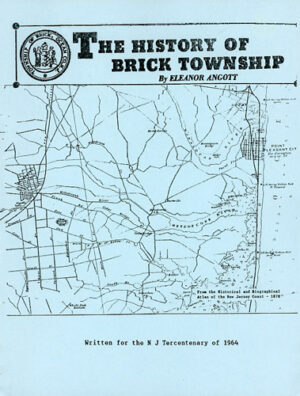 By Eleanor Angott: Written in 1964 as a series of newspaper articles for the New Jersey Tercentenary. The articles have been indexed and copied for this 1992 publication. It contains a comprehensive history of the area beginning in pre-revolutionary war times. The text is rich with family names, many of which are still common in the Brick Township of today. The publication contains an index.
 -
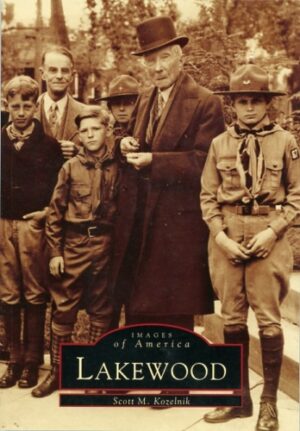 By Scott M. Kozelnik: Lakewood's location close to the Atlantic Ocean via the Metedeconk River sparked an early rise in enterprise in the vicinity. Some of the earliest businesses in Lakewood included a lumber mill, bog iron mining operations, and a blast iron furnace. During the latter half of the nineteenth and into the early twentieth century, Lakewood served as one of the premier winter resorts in the United States. The hotel industry in Lakewood was comprised of several elaborate architectural masterpieces, some of which were believed to be the grandest in the world at the time. Lakewood's reputation as a "winter sanitarium" attracted the rich and famous from far and wide. Lakewood is an in-depth pictorial history of the metamorphosis from sleepy mill town, to spectacular resort and entertainment haven, to a bustling industrial center. Lakewood is a journey to places that have disappeared and an introduction to residents and visitors who have long gone. John D. Rockefeller, whose estate later became Ocean County Park, and George Jay Gould, who resided at a two-hundred-acre estate called Georgian Court, are just two of the prominent townspeople of Lakewood. The heroism of firefighters during the 1967 Laurel in the Pines fire, Jimmy Foxx and the 1934 Philadelphia Athletics in action at Princeton Avenue, and a look back at the early days of the annual Ocean County Fair give the reader an awe-inspiring view of Lakewood's past.
 -
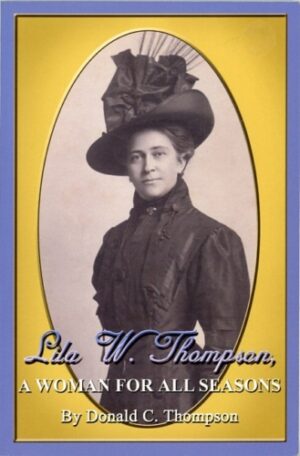 By Donald Thompson: A New Jersey farm girl, one of sixteen children, became known as 'The Mother of the Legislature." Follow her career in politics, election campaigns, service in the New Jersey Legislature and beyond, while nurturing her family and involving herself in lodges, church, and community. Lila was a ground breaker. She celebrated many firsts at a time when women had just begun to exercise their right to vote. Yet her life full of accolades and tributes ended in tragedy. Although his grandmother died before he was born, Donald Thompson always felt her powerful legacy and spirit to be guiding forces in his life. In researching material for this book, he realized he did not have to create a famous grandmother, as the public records and living witnesses proved she was all that and more. Anyone interested in women's leadership in the early days of women's suffrage will find this book filled with down to earth details.
 -
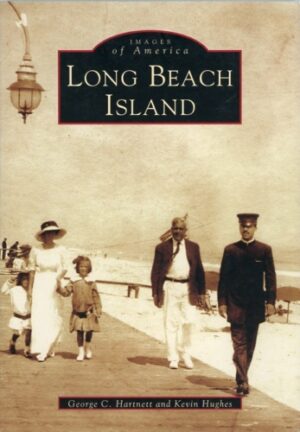 By George C. Hartnett & Kevin Hughes: Long Beach Island stretches for eighteen miles alongside the southern New Jersey mainland. A barrier island, it has a vivid history that includes wild game and bountiful fish, early whalers and tragic shipwrecks, paddle-wheel steamboats and grand hotels. With its rare and previously unpublished images, Long Beach Island portrays the unforgettable place that today is known for its white sandy beaches, fresh seafood, and bright red and white lighthouse. Shown are islanders engaged in pound fishing and salt hay harvesting, and, later, visitors crossing Barnegat Bay to the island resorts called Barnegat City and Beach Haven.
 -
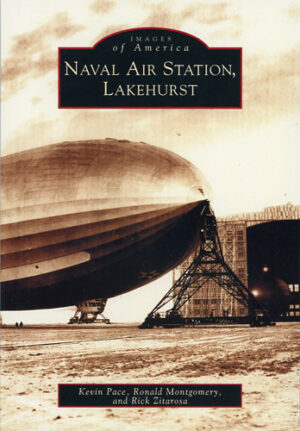 By Kevin Pace, Ronald Montgomery, & Rick Zitarosa: The naval air station in Lakehurst, New Jersey, has a rich and bittersweet history steeped in success and tainted with tragedy. The area evolved from a gas warfare proving ground during World War I to the focal point of lighter-than-air operations in the United States. Labeled one of the world's first international airports, Lakehurst quickly became a hub of lighter-than-air activity. Although the dirigibles are no longer active, it remains crucial in the operational support of naval aviation as the Naval Air Engineering Station, Lakehurst. Rare photographs and material from the archives of the Navy Lakehurst Historical Society chronicle more than eighty-five years of base activity. Offering a unique glimpse of the people, the machines, and the background against which it has all unfolded, this volume examines Lakehurst's vital contributions to the development of aviation and national defense. Naval Air Station, Lakehurst explores the construction of the giant hangars and support buildings for the airships of the U.S. Navy and the glory days of the German Zeppelin visits. The blimp programs from World War II through 1962 and the various schools and tenant commands turned the air station into a key component of naval aviation.
 -
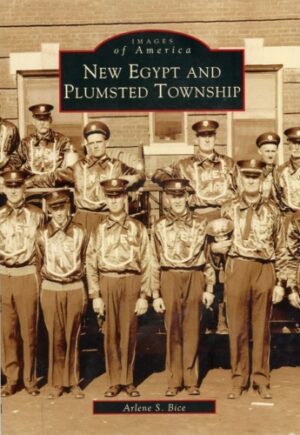 By Arlene S. Bice: New Egypt and Plumsted Township is a collection of unique vintage photographs, many of which have never before been published. Beginning with Quaker Clement Plumstead of London, who was granted twenty-seven hundred acres in 1699, this history shows the progression of the township to the mid-1900s. At the end of the nineteenth century, railroad transportation brought visitors to New Egypt, which blossomed with hotels, guesthouses, the Isis Theatre, and carnivals on Oakford Lake. Among the images are views of Harker's Grove, a favorite spot for picnics and dancing on the pavilion; Sunday concerts held by local talent in New Egypt; and the open space that has made hunting, fishing, and other outdoor activities popular pastimes for locals and visitors alike.
 -
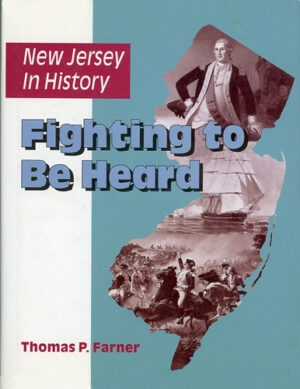 By Thomas P. Farmer: Encompassing two centuries of war, politics, intrigue, heroics, tragedy and celebration, the personalities, quirky episodes and indelible moments that make up New Jersey’s rich fabric are numerous. New Jersey’s unsurpassed history finally gets its due!
 -
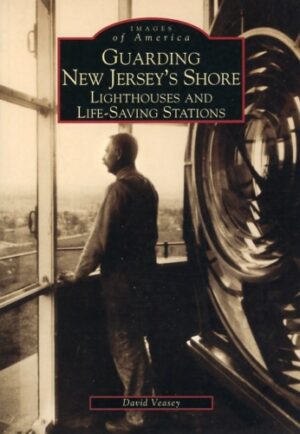 By David Veasey: From the seventeenth to the twentieth century, New Jersey's low-lying, sandy coast has been the site of thousands of shipwrecks as ships bound for New York City or Philadelphia foundered on its offshore shoals. As coastal and international trade dramatically increased after the War of 1812, the federal government was forced to increase safety aids to mariners. To ensure their safe passage, a series of lighthouses was built and the U.S. Life-Saving Service was created. More than two centuries of the history of New Jersey's treacherous coast are preserved in Guarding New Jersey's Shore: Lighthouses and Life-Saving Stations. Gathered from a wide array of sources, more than 200 historic photographs and fascinating, documented text combine to create the only illustrated history of the state's thirty-eight lighthouses and forty-one life-saving stations. Sandy Hook, built in 1764, is the nation's oldest operating lighthouse. Navesink's Twin Lights was the first lighthouse to use electricity and was the home of Marconi's early radio experiments. From the Statue of Liberty in New York Harbor, which once served as a lighthouse, to Cape May Point, and up the Delaware Bay and River, the fascinating story of protecting mariners from perils "Down the Shore" is presented and preserved in Guarding New Jersey's Shore: Lighthouses and Life-Saving Stations.
 -
 By The Ocean County Sun (newspaper): The New Jersey shore areas are vulnerable to the wrath of nature. This book contains the story and photos of the March 1962 storm that devastated the area.
Call Us Today! (732) 341-1880